Meet the Animals
African Giant Millipede
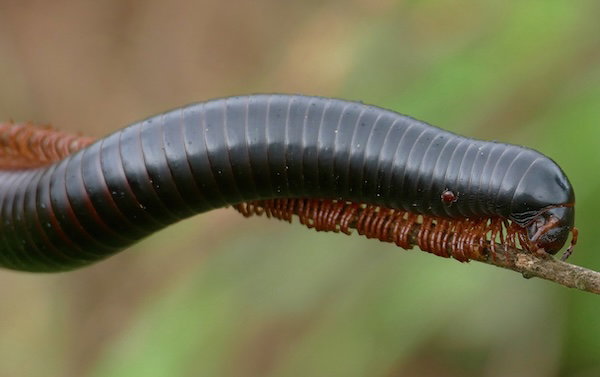
Bernard DUPONT from FRANCE, CC BY-SA 2.0, via Wikimedia Commons
Day of Creation: six
Biblical Kind: Spirostreptida (long millipede)
Length: 4–13 inches
Weight: negligible
Habitat: rainforests and woodlands of subtropical Africa
Lifespan: 5–10 years
Diet: detritus, vegetation
Reproduction: females lay hundreds of eggs that hatch after a three-month incubation
When threatened, they curl into tight balls and secrete a yellow-brown fluid composed of hydrogen cyanide. When God created the world, everything was perfect (Genesis 1). There was no suffering, sickness, carnivory, pain, or death. When man sinned against God (Genesis 3), the world was cursed by God. The need for things like poison in animals arose once carnivory and the other results of sin entered the world. One day, creation will be healed and restored to its perfect condition, and the curse will be removed from the universe (Isaiah 11:6–8).
Fun Facts:
- There are approximately 1,000 species of Spirostreptida (spy-ro-STREP-ti-dah) millipedes found all over the world.
- They are known for being large, long, and cylindrical with 30–90 body segments.
- This kind contains the largest millipede in the world: the giant African, which can exceed 15 inches in length!
- Although millipedes may exceed a foot in length today, there are extinct species found in the fossil record that reached seven feet in length!
- All millipedes belong to the class Diplopoda, which gets its name because they have two pairs of jointed legs on most of their body segments.
- There are about 12,000 species of millipedes known today. They are found on every continent except Antarctica, and their number of body segments ranges from 10–100+.
- Millipedes are often confused for centipedes since both creatures have many legs and long bodies.
- Millipedes are slow, poisonous herbivores and have tubular bodies with two pairs of legs on most of their body segments.
- Centipedes are fast, venomous carnivores; only have one pair of legs per body segment; and have flattened bodies.
- Despite their size, they only have 300–400 legs stretched across their body segments.
- They have poor eyesight and seem to navigate by touch or potentially by smell.
Australian Green Tree Frog (Litoria caerulea)
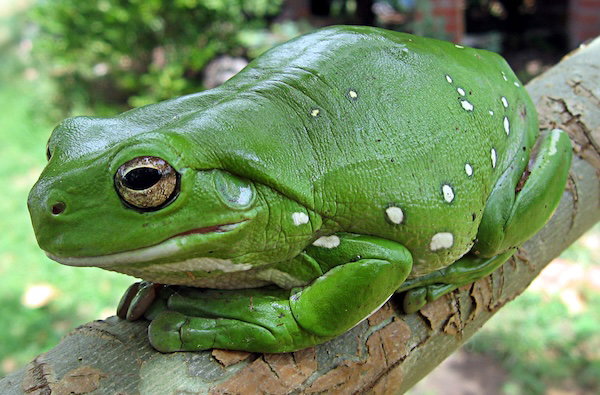
Public domain
Day of Creation: six
Biblical Kind: Australo-New Guinea tree frog
Status: least concern
Threats: cats, dogs
Length: 3–4.5 inches (females are larger than males)
Weight: <1 ounce
Habitat: native to Australia and New Guinea; prefers humid environments and is commonly found in urban areas in water tanks, drainpipes, and bathrooms
Lifespan: 16–20 years
Reproduction: females lay between 150–300 eggs that hatch after one to three days and complete metamorphosis in about a month
Diet: insects, spiders, moths, sometimes small mammals or other frogs
Starring Role: bioprospecting (exploring natural sources—plants, animals, and fungi—for small molecules or genetic information that can be developed into medicine)
Their skin produces a waxy coating made of peptides and proteins that prevents them from becoming dehydrated, protects them from bacterial infections, and helps them heal injuries rapidly. Researchers are looking into these peptides and proteins and their effect on antibiotic-resistant bacteria. This amazing defense is vital for this frog in our fallen world affected by the curse of sin (Genesis 3). It is also a reminder of the care of our Creator for his creation and of his promise to restore creation one day (Isaiah 11:6–8).
Fun Facts:
- They are frequently called White’s tree frog (after John White), dumpy tree frog, or giant green tree frog.
- When captured, they scream loudly to surprise predators into dropping them. They also sometimes make a squeaking sound when touched.
- Scientists believe that these amazing animals can control how much water is evaporated through their skin as well as control their body temperature.
- As with many tree frogs, this species is capable of some color change.
- The waxy blue-green color and rolling skin folds have earned the frog the nickname “dumpy.”
- During the dry season, they cover themselves in a cocoon of sloughed epidermis and mucus and burrow to keep moist.
Baird’s Rat Snake (Pantherophis bairdi)
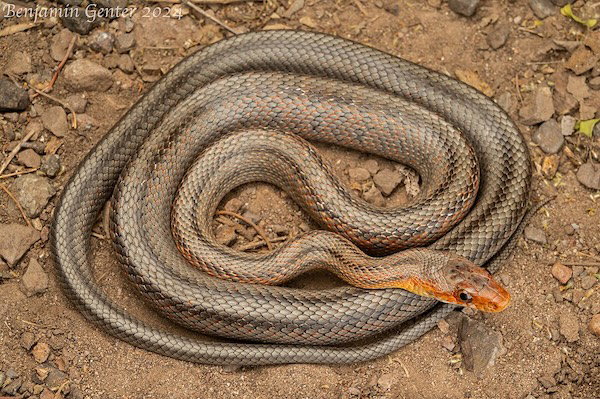
Benjamin Genter, CC0, via Wikimedia Commons
Day of Creation: six
Biblical Kind: kingsnake
Status: least concern
Threats: pet trade
Length: 3–5 feet
Weight: 1–2 pounds
Habitat: rocky, forested, and arid canyons of the Big Bend region in Texas and northeastern Mexico
Lifespan: 20 years
Reproduction: females lay up to 10 eggs that hatch after a 90-day incubation
Diet: rodents, birds, lizards
Starring Role: pest control
This snake practices thermoregulation using thermal mosaics. By shifting ever so slightly between sun-warmed rock and cooler shade/crevices, it can fine-tune its body temperature without long exposure. Even in our fallen world (Genesis 3), God has given his creation the ability to survive and thrive!
Fun Facts:
- There are approximately 720 species within the kingsnake kind, including kingsnakes, rat snakes, milk snakes, vine snakes, and indigo snakes.
- A true “rock rat snake,” it strongly favors rocky canyons, talus slopes, and crevice-rich limestone habitats in the Trans-Pecos of Texas and adjacent northern Mexico.
- Its coloring is highly variable, often yellow-orange to pumpkin-orange with darker blotches, but some individuals look nearly patternless, which helps them blend into sunlit rock and leaf litter.
- They are primarily crepuscular to nocturnal in warm seasons, with more daytime movement during mild weather—typical of desert-mountain snakes avoiding heat extremes.
- In colder months, individuals may remain inactive deep in rock fissures or den sites (Trans-Pecos montane habitats); this is called brumation.
Common Chuckwalla (Sauromalus ater)
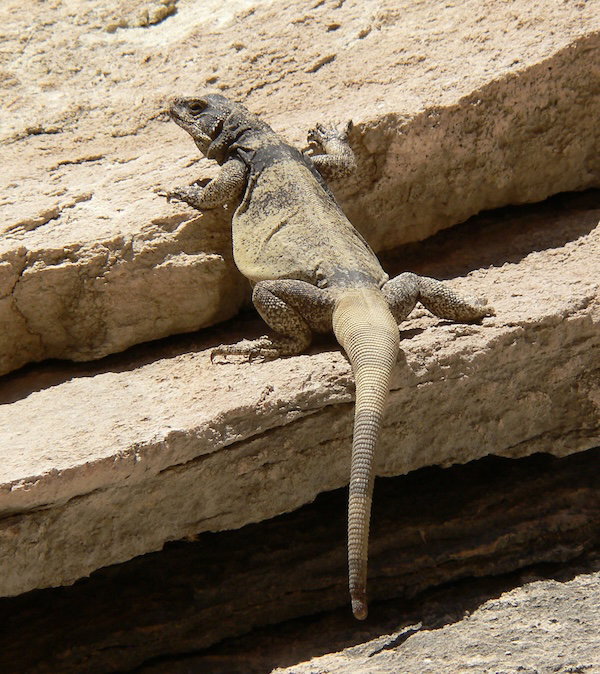
Stan Shebs, CC BY-SA 3.0, via Wikimedia Commons
Day of Creation: six
Biblical Kind: iguana
Status: least concern
Threats: habitat modification, pet trade
Length: 15–20 inches
Weight: 8–9 ounces
Habitat: arid habitats of the Southwestern United States and northern Mexico
Lifespan: 15 years in the wild; they can live much longer under human care (the oldest documented individual in human care reached 65 years old!)
Reproduction: females lay five to eight eggs that hatch after a one- to two-month incubation
Diet: flowers, fruits, occasional insects
Starring Role: seed disperser
Chuckwallas get most of their water from the plants they eat; however, because these desert plants grow in salty soil, they contain high levels of salt. To handle this, the chuckwalla (much like the marine iguana) has specialized glands that allow it to “sneeze” excess salt—often called “snalt”—out of its nostrils. In Matthew 10:29–31, Jesus explains that God cares for even the smallest of his creatures. If God designed a specific gland just to help the chuckwalla eliminate salt, he surely cares for human beings, who are created in his image!
Fun Facts:
- Chuckwallas are part of the iguana created kind. All modern iguanas are found in the Americas with the exception of Fiji island iguanas, which likely rafted to the islands.
- Common chuckwalla coloring varies widely depending on range, and it can differ between juveniles and adults and between males and females.
- This desert species is diurnal and well adapted to desert heat.
- They use body language like head bobbing, push-ups, mouth gaping, and color posturing to communicate.
- When threatened, common chuckwallas run to the nearest rock crevice and wedge themselves inside, then they inflate their lungs and distend their bodies, preventing predators from fishing them out!
- They are primarily herbivorous and prefer browneyes, desert ragweed, and the flowers of the creosote bush (often called chaparral).
Common Collared Lizard (Crotaphytus collaris)
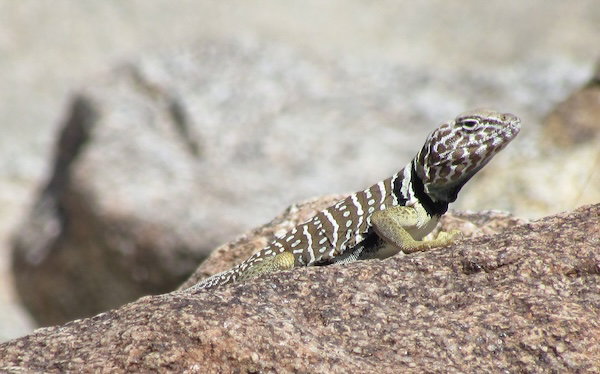
Matt D'Agrosa, CC BY 4.0, via Wikimedia Commons
Day of Creation: six
Biblical Kind: collared lizard
Status: least concern
Threats: habitat loss, pet trade
Length: 8–15 inches
Weight: 1.5–4.5 ounces
Habitat: arid, open habitats of the Southwestern United States and northern Mexico
Lifespan: 4–5 years in the wild; 10–15 years under human care
Diet: insects, small vertebrates, occasional plants
Reproduction: Females lay one to eight eggs that hatch after an approximate two-month incubation
Starring Role: seed disperser
These lizards are small, with long legs and tails that allow them to move quickly to escape threats; some species can even run bipedally! When God created the world, everything was perfect (Genesis 1), with no suffering, sickness, carnivory, or death. However, when man sinned (Genesis 3), the world was cursed. The need for defense/attack structures arose as carnivory entered the world—for the collared lizard, this includes the remarkable ability to run on two legs!
Fun Facts:
- Common collared lizards are 1 of 12 species in the collared lizard created kind. All species are native to the arid, dry regions of the Southwestern United States and northern Mexico.
- Due to their small size, collared lizards prefer habitats with hilly topography that provide hiding and lookout places.
- Collared lizards are important desert seed dispersers because they eat and defecate seed-consuming prey.
- They have excellent vision and smell and will scent-mark to communicate with other lizards or establish territories.
- Males are extremely territorial and will fight to the death for their females and territory. Females choose males who are brightly colored and strong.
Emperor Scorpion
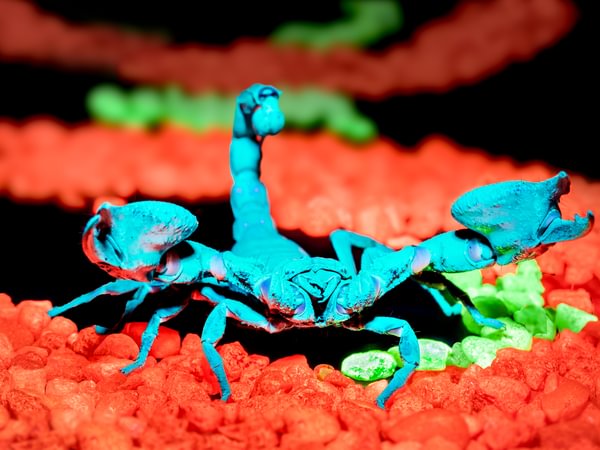
© Answers in Genesis
Day of Creation: six
Biblical Kind: scorpion
Length: 8 inches
Weight: 1 ounce
Habitat: rainforests and savannas of West Africa
Lifespan: 5–8 years
Diet: invertebrates, small vertebrates
Reproduction: females give live birth to 10–12 scorplings after a nine-month gestation
Did you know scorpion venom is being studied for cancer treatments? Defense/attack structures (venom) in tarantulas, other spiders, and scorpions are being used by man to do good things (treatment for seizures, muscular dystrophy, and chronic pain) in a fallen world! We may not know exactly how venom functioned in the garden of Eden—or if it only appeared after Adam’s sin—but we can clearly see God’s hand at work, providing for his creation even in a fallen world.
Fun Facts:
- Emperor scorpions are one of the largest scorpions in the world.
- They belong to the scorpion kind, which contains over 1,700 species and is found on all continents except Antarctica.
- Although all scorpions are venomous, only about 25 species are capable of killing humans. The general rule is that the larger the pincers, the less venomous the scorpion is because they rely more on their large pincers for defense and attack than on their venom.
- All scorpions glow under ultraviolet light. The purpose of this is unknown, but some scientists theorize that it helps them keep track of each other or attract prey. Scorpions can sense when they are glowing, so the predominant theory is that when they are glowing, they will know it is too bright to hunt effectively.
- Emperor scorpions like to burrow when inactive and live in small communal groups.
- Mothers carry scorplings on their backs for their first few weeks until they can survive on their own.
- Termites comprise a major portion of their diets, and they may burrow six feet into termite mounds to hunt them. They will also hunt the occasional rodent or lizard.
Giant Cave Roach
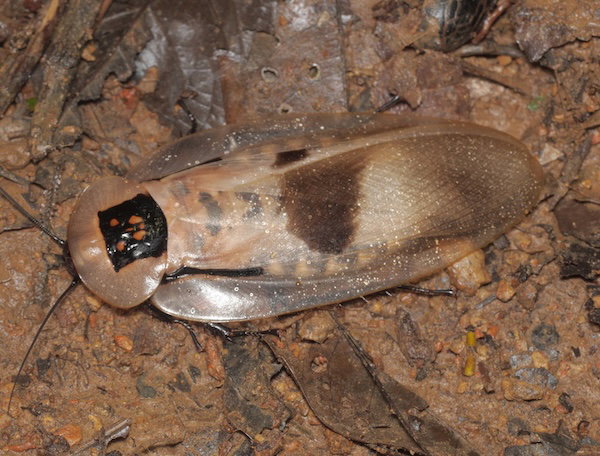
Nico, CC0 1.0, via iNaturalist
Day of Creation: six
Biblical Kind: Blaberid (giant cockroach)
Length: 3–4 inches, with a wingspan of 6 inches
Weight: <1 ounce
Habitat: Central and South America
Lifespan: up to 2 years
Diet: fruit, seeds, carrion, bat guano
Reproduction: females carry oothecas containing 12–40 nymphs that hatch after 60 days
Did you know giant cave roaches have a secret ingredient for survival? It’s a relationship called endosymbiosis. Inside the roach’s digestive system, a bacterium known as Blattabacterium turns waste products like urea into life-sustaining amino acids. It’s a perfect design—the roach provides a home, and the bacteria provide essential nutrients! This is just one more way we see the Creator providing for his creation.
Fun Facts:
- There are over 4,000 species of cockroaches found all over the world today in a wide range of habitats.
- These cockroaches are lightly built with flattened bodies, allowing them to hide from predators in cracks. Their bodies are brown with black markings.
- Habitat preferences include areas of high moisture and little light, such as caves, tree hollows, and cracks in rocks.
- They are nocturnal omnivores and scavengers, but the majority of their diet is decaying plant material. Other food choices include bat guano, fruit, seeds, and carrion. They are often associated with bat roosts, both in caves and hollow trees. They also prefer sweets, meats, and starches as their daily meal.
- When they are exposed to infection or various microorganisms, they produce specific proteins in their fat stores that allow them to fight off the invader.
Giant Vinegarroon (Mastigoproctus giganteus)
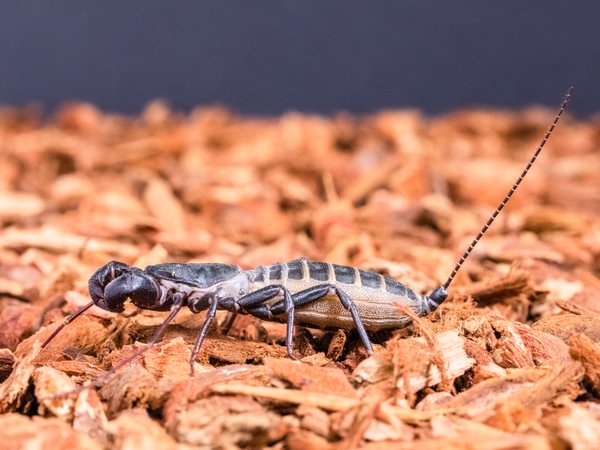
© Answers in Genesis
Day of Creation: six
Biblical Kind: Thelyphonid (whip scorpion)
Length: 1.5–3 inches
Weight: negligible
Habitat: deserts, scrubs, and grasslands of the Southwestern United States and Mexico
Lifespan: 4–7 years
Diet: invertebrates
Reproduction: females lay up to 40 eggs that hatch after a two-month incubation
Our Creator has given vinegarroons the ability to spray a defensive solution made of 80–85% acetic acid (the main component of vinegar) and caprylic acid. They can precisely aim this spray at a predator’s eyes, mouth, and nose. Remarkably, vinegarroons can discharge this spray up to 19 times in a row before running out, and they are fully recharged by the next day! In a world marred by sin, this defense mechanism allows the tiny vinegarroon to escape its predators.
Fun Facts:
- Giant vinegarroons, also known as giant whip scorpions or grampus, belong to the Thelyphonid (the-lee-FOE-nid) kind of arachnids and are named for their defensive ability to shoot a liquid that smells strongly of vinegar when threatened. There are over 100 vinegarroon species distributed throughout Europe, Africa, Australia, and North America. Giant vinegarroons are the only vinegarroons found in the United States.
- They are carnivorous, nocturnal hunters—coming out at night to forage for insects and other small invertebrates.
- They usually spend their days tucked away in burrows or under logs and rocks.
- When a female is ready to lay eggs, she will seal herself in a burrow. She will never eat again, as she devotes her remaining months to holding her egg sac off the ground and then caring for her babies. Mothers will carry their babies until their first molt, about a month later, and the young will then leave the burrow. Unfortunately, females are so weak by this point that they die.
Honduran Milk Snake (Lampropeltis triangulum hondurensis)
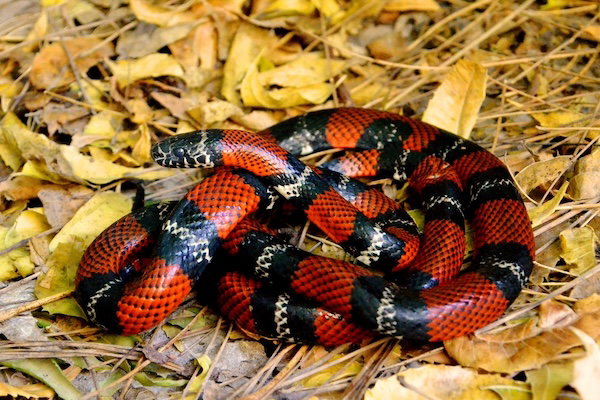
Daniel Pineda Vera, CC BY 4.0, via iNaturalist
Day of Creation: six
Biblical Kind: kingsnake
Status: least concern
Threats: no known threats
Length: 3–5 feet
Weight: 2–3 pounds
Habitat: tropical rainforests of Honduras, Nicaragua, and northeastern Costa Rica
Lifespan: 20 years
Reproduction: females lay 3–18 eggs in early summer; eggs hatch after a 60-day incubation
Diet: other snakes, rodents, eggs
Starring Role: pest control
They are called kingsnakes because they specialize in eating other snakes, including venomous ones. While not entirely immune to venom, they have an extremely high tolerance for it. Kingsnakes are nonvenomous; instead, they subdue their prey through constriction. In fact, relative to their body size, they exert twice the constriction force of other constrictors—making them proportionally stronger than even large pythons and boas! This immense strength is necessary because their preferred reptilian prey can sustain lower blood-oxygen levels before suffocating. Defense/attack structures (DAS), such as venom, were not part of God’s original, flawless world (Genesis 1:31). When God created the universe, everything was perfect (Genesis 1), with no suffering, sickness, carnivory, pain, or death. When man sinned (Genesis 3), the world was cursed, and the need for DAS in animals arose as carnivory entered the world.
Fun Facts:
- There are approximately 720 species within the kingsnake kind, including kingsnakes, rat snakes, milk snakes, vine snakes, and indigo snakes.
- Milk snakes get their scientific species name triangulum from the Latin word for “triangle,” a reference to their three colors: red, black, and white. This is a form of mimicry called Batesian mimicry, in which a harmless species mimics a harmful species—in this case, the coral snake.
- Their common name derives from an old, incorrect belief that they drank milk from cow udders, but they are actually attracted to barns because they are good places to hunt rodents.
Land Snail
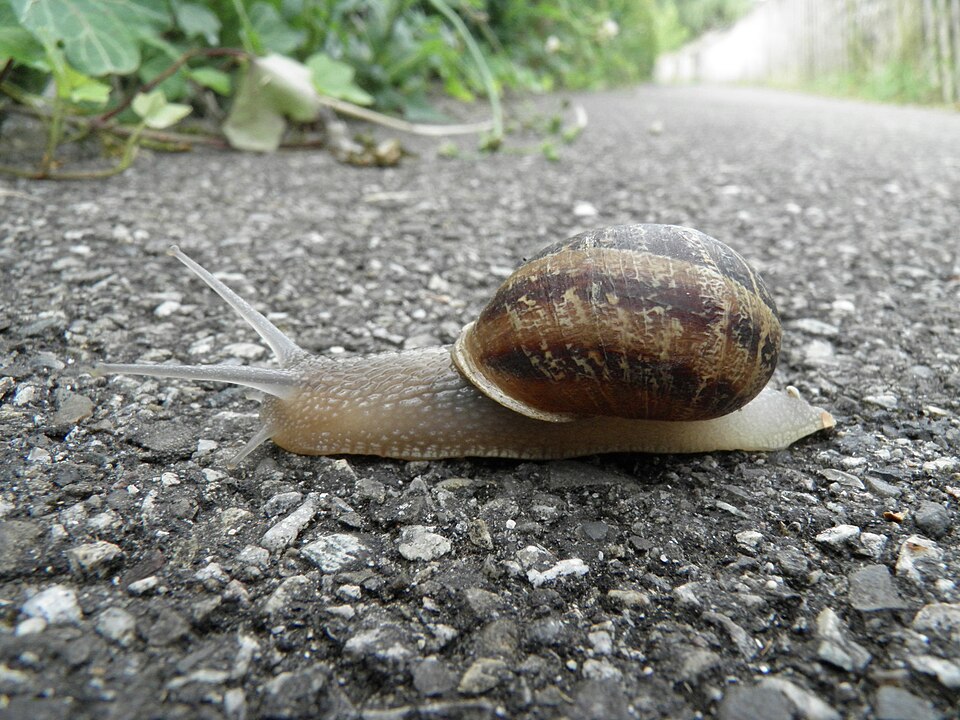
Gzen92, CC BY-SA 4.0, via Wikimedia Commons
Day of Creation: six
Classification: class Gastropoda
Length: 1–3 inches for most species; giant African land snails can reach 8 inches!
Weight: 10–45 grams, depending on the species; giant African land snails can reach up to 2 pounds (0.9–1 kilogram)
Habitat: land snails are found on every continent except Antarctica
Lifespan: 2–5 years for most species
Diet: leaves, stems, fruits, fungi
Reproduction: they lay 80–100 eggs in moist soil; eggs hatch in two to four weeks
Fun Facts:
- Gastropods have a muscular foot, which is used for creeping locomotion in most species. In some, it is modified for swimming or burrowing.
- Most gastropods have a well-developed head that includes eyes, 1–2 pairs of tentacles, and a concentration of nervous tissue (ganglion).
- Snails have a soft body, a muscular foot for crawling, and a coiled shell for protection. They have two pairs of tentacles—the upper pair has eyes, while the lower pair is for smelling. They are hermaphrodites, meaning they possess both male and female reproductive organs.
- Most land snails are herbivores, eating leaves, stems, fruits, and fungi, but they require high amounts of calcium to strengthen their shells, so they sometimes consume soil, sand, or (in the case of giant African land snails) concrete.
- They are very slow, with an average speed of about 50 yards (45 meters) per hour, and leave a slime trail to help them move over surfaces.
- When threatened or during dry/cold weather, a snail can retreat into its shell and seal the entrance with a hardened mucus layer called an epiphragm.
Madagascar Hissing Cockroach (Gromphadorhina portentosa)
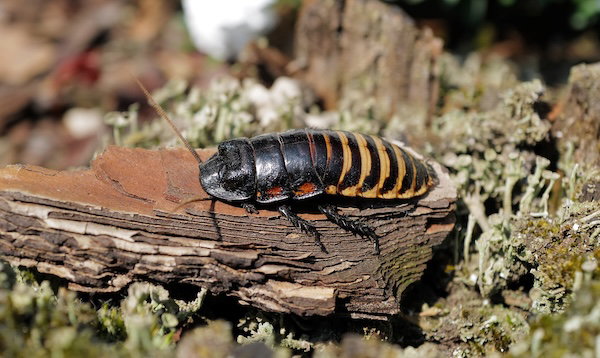
Markbenecke, CC BY-SA 4.0, via Wikimedia Commons
Day of Creation: six
Biblical Kind: Blaberid (giant cockroach)
Length: 2–3 inches
Weight: up to 1 ounce
Habitat: forests of Madagascar
Lifespan: 2–5 years
Diet: fruits, plant material
Reproduction: females give live birth to 30–60 nymphs after a two-month gestation
Did you know these cockroaches have tiny partners? In a symbiotic relationship called mutualism, mites clean mold and pathogens off the roaches. In exchange, the roaches share their food and provide transportation! This partnership is a beautiful reminder from the Creator that we aren’t meant to live alone—and most importantly, that we all need him, the Author of life.
Fun Facts:
- There are over 4,000 species of cockroaches found all over the world today in a wide range of habitats.
- Madagascar hissing cockroaches belong to the Blaberid created kind, which includes all giant cockroaches, including dubias and giant burrowing cockroaches.
- Although they are usually considered pests, they play an important ecological role by consuming and recycling dead and decaying organic matter.
- Cockroaches are ovoviviparous, meaning the females produce egg sacs called oothecas and hatch them inside their bodies before giving live birth to their babies.
- Cockroaches engage in chemical communication with one another by either expressing pheromones or by releasing hydrocarbons through their antennae, which act like chemical signatures for each individual cockroach.
- Males produce three types of hisses: the disturbance hiss, the aggressive hiss, and the mating-call hiss. Females can only make the disturbance hiss.
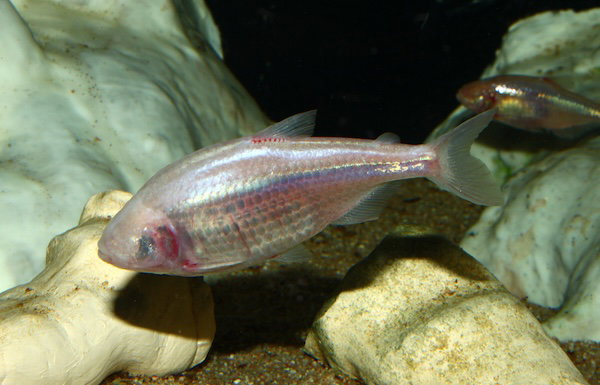
H. Zell, CC BY-SA 3.0, via Wikimedia Commons
Day of Creation: five
Biblical Kind: Characid
Status: least concern
Threats: pollution
Length: up to 3.5 inches
Weight: <1 ounce
Habitat: caves
Lifespan: up to 10 years
Reproduction: blind cave fish perform elaborate courtship that causes lots of water turbulence, which presumably helps the fish find each other; females lay eggs that sink to the bottom and stick to rocks
Diet: plants, worms, crustaceans
Within Astyanax cave fish, there is an integrated system of preprogrammed adjustments that actively deploy in response to stimuli in subterranean environments. There is one Creator, who has endowed animals like the Mexican tetra with such potential, providing the most authoritative explanation for how and why cave fish exhibit nearly identical functionality worldwide.
Fun Facts:
- All cave fish strains share a similar set of highly optimized adaptations to subterranean environments (caves), but they are the same species as the surface-dwelling Mexican tetras. There are adaptations in feeding, smell, respiration, energy storage and metabolism, prey capture, and navigation.
- Almost all fish have a lateral line system of neuromasts (sensors) that allows them to detect water flow and vibration. Blind cave fish possess a much larger system of neuromasts, especially in the region of their heads. This allows them to better detect disturbances in the water.
- Blind cave fish are excellent scavengers and will eat almost anything. They often feed on animal and plant remains swept into caves.
- The fish may be born blind or they may be born with functional eyes which later cloud over and shrink because there is no light in the dark caves, making eyesight unnecessary.
Ornate Box Turtle (Terrapene ornata ornata)
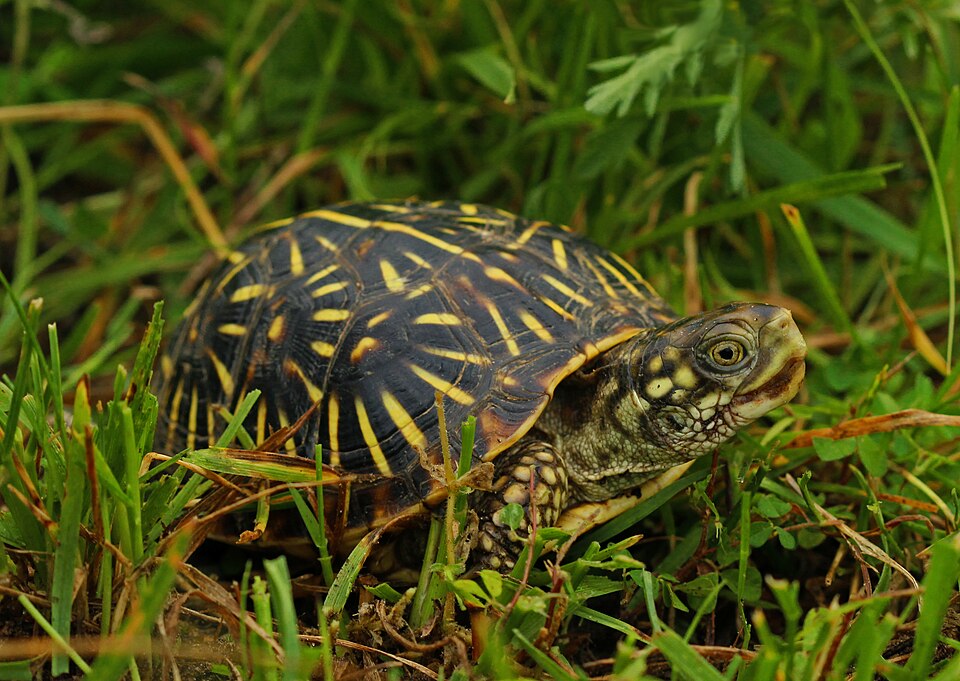
Peter Paplanus, CC BY 2.0, via Wikimedia Commons
Day of Creation: six
Biblical Kind: pond turtle
Status: near threatened
Threats: habitat loss, pet trade
Length: 4–6 inches
Weight: 7–16 ounces
Habitat: Midwestern US
Lifespan: 28–32 years
Diet: plants, animals, carrion
Reproduction: females can lay one to two clutches a year, each made up of one to eight eggs; average incubation is 50 days but varies due to temperature; temperature of incubation determines whether males or females hatch—temperatures at or above 84° F result in mostly females, while temperatures at or below 82° F result in mostly males
Starring Role: carrion clean-up
The shell of a box turtle is the ultimate defense against predators. When threatened, it draws its head back into its shell and covers it with its legs. A unique hinge on the bottom of the shell allows it to seal itself inside completely. Defense/attack structures (DAS) were not part of God’s original, flawless world (Genesis 1:31). When God created the universe, everything was perfect (Genesis 1), with no suffering, sickness, carnivory, pain, or death. However, when man sinned (Genesis 3), the world was cursed. The need for DAS in animals arose only after carnivory and other consequences of sin entered the world. One day, creation will be healed and restored to its unblemished condition, and the curse will be removed from the universe (Isaiah 11:6–8).
Fun Facts:
- Box turtles are slow movers, slow to mature, and limited in the distances they typically travel. They do not reproduce until they are around seven years old, and even then, they typically lay only three to four eggs at a time. Whenever humans cut down forests and build towns and roads, it is more difficult for a turtle to find food, a mate, and a safe place to nest. Road crossing is very risky business for a turtle, and countless turtles are killed each year trying to attempt it.
- Box turtles are members of the pond turtle created kind, which includes 50 species of turtles.
- Ornate box turtles are commonly found in burrows. In the summer, they dig shallow burrows, called forms, to take shelter from the heat. During the winter, they dig deeper burrows to hibernate (more of a torpor than hibernation).
- Growth rates for young turtles depend on wet seasons and the availability of food and water. Generally, they reach full-size around 13 years of age.
- Ornate box turtles are omnivores, feeding on arthropods, fruits, and plants. They favor mulberries, dandelion flowers, and prickly pear cactus. They are also known to feed on carrion.
Panther Chameleon (Furcifer pardalis)
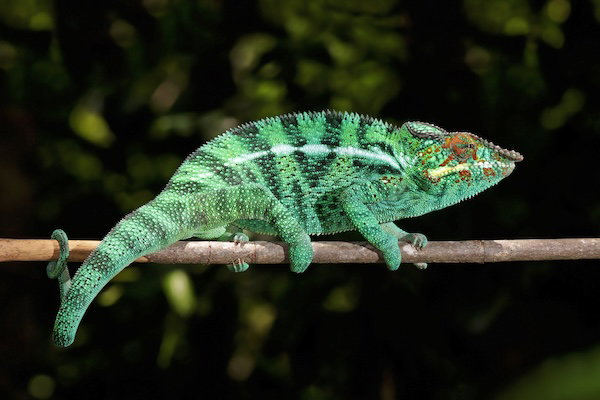
Charles J. Sharp, CC BY-SA 4.0, via Wikimedia Commons
Day of Creation: six
Biblical Kind: chameleon
Status: least concern
Threats: pet trade
Length: 12–18 inches (males); 10–14 inches (females)
Weight: 4–6 ounces (males); 2–4 ounces (females)
Habitat: northern Madagascar
Lifespan: 1–3 years in the wild; 5–10 years under human care
Diet: invertebrates, occasionally plant material
Reproduction: females dig a burrow and lay 10–40 eggs, which they then bury and cover with plant matter to hide the nest; the young hatch after approximately six months; there is no parental care of the young
Starring Role: “pioneer species” in struggling habitats, often the first to move into restored habitats
Chameleons have unique tongues specialized for capturing prey. While prey capture was often attributed solely to the adhesion of the tongue pad, scientists now believe the speed and form of the tongue also create a suction effect. The hyoid bone is a structure that extends into the mouth from the throat bones (the hyolingual apparatus) and is attached to the chameleon’s long tongue. This is where the tongue rests when not in use. It is launched from the hyoid bone by ringed muscles within the tongue itself. This highly complex structure is composed of cartilage, muscles, nerves, glands, and tissues that work together to create an incredibly fast and effective tool for seizing food. This amazing tongue may originally have been used for eating plants in the pre-fall world (comparable to how sharp teeth and claws can be used for attack/defense today but are also excellent for cracking into tough produce like coconuts or melons) or it may be evidence of post-fall adaptation as a result of the curse (Genesis 3).
Fun Facts:
- Panther chameleons are members of the chameleon created kind, which consists of 200 species of chameleons found throughout the Middle East, Africa, Madagascar, India, Spain, and Sri Lanka.
- All chameleons have the following characteristics: prehensile tails, head casque around neck, zygodactyl feet, projectile tongues, binocular eyes, and the ability to adjust body colors with their environment.
- They have the ability to rotate and focus their eyes separately to observe two different objects simultaneously. This allows them to utilize a nearly 360-degree arc of vision around their bodies while staying completely still and camouflaged. When prey is located, both eyes can be focused in the same direction, giving sharp stereoscopic vision and depth perception.
Pethiyagoda’s Crestless Lizard (Calotes pethiyagodai)
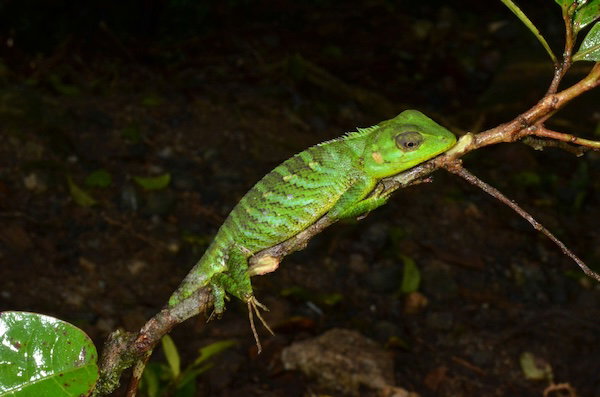
Eugene Popov, CC BY 4.0, via iNaturalist
Day of Creation: six
Biblical Kind: Agamid (dragon lizard)
Status: endangered
Threats: deforestation, tourism activities, fires
Length: up to 16 inches
Weight: negligible
Habitat: forests of the Knuckles Mountain Range in Sri Lanka
Lifespan: no records
Diet: insects, ants
Reproduction: females lay ~six eggs that hatch after a two-month incubation
Starring Role: helps control insect populations
Very little is known about this species due to its small population size and the remote location of its range. God calls us to be good stewards of creation (Genesis 1:28). Studying and learning more about species like Pethiyagoda’s crestless lizards allows us to responsibly care for them. In addition to protecting animals in other regions of the world, we can demonstrate godly stewardship by using natural resources wisely.
Fun Facts:
- Pethiyagoda’s crestless lizards are members of the Agamid (dragon lizard) created kind, which includes over 600 species of lizards.
- Agamids have interbred to create hybrids which can reproduce parthenogenically (without male fertilization).
- Pethiyagoda’s crestless lizards were first described as a species in 2014, and they live on a single mountain range on the island of Sri Lanka.
- Due to their small population, they are endangered.
- Adults prefer living higher in trees and bushes, while the young stay closer to the ground.
- They are sexually dimorphic; males are dark green with striking blue bands, while females are light green with faint blue bands.
- Under human care, they are observed to be intelligent, bold, and friendly.
Pill Bug
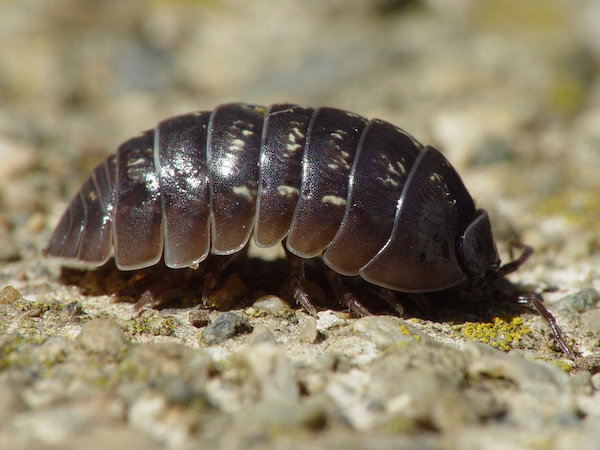
Franco Folini, CC BY-SA 3.0, via Wikimedia Commons
Day of Creation: six
Family: Armadillidiidae
Length: 0.75 inch
Weight: negligible
Habitat: Mediterranean basin and North America
Lifespan: up to 2 years
Diet: detritus
Reproduction: females carry 100–200 eggs in a pouch called a marsupium
Fun Facts:
- A pill bug is a type of crustacean called an isopod—it’s not an insect. While most crustaceans live in an aquatic environment, pill bugs live on land.
- Pill bugs grow by molting their exoskeletons, but unlike other invertebrates that molt all at once, the pill bug molts in segments.
- They roll into a ball to protect their soft body parts from predation or drying out. Because they can roll into a ball, pill bugs are also often called roly polies.
- Pill bugs help clean up the environment by recycling and decomposing old plant and animal matter. When pill bugs feed, they help increase nutrients and minerals and remove toxins in the soil. Improved soil quality helps plant growth.
- Pill bugs live in wet or damp environments because they have gills, which need to stay moist for them to breathe. They are commonly found under logs and rocks and among decaying vegetation, especially where the underside is damp.
- Female pill bugs carry eggs in a pouch under their bodies. Once the babies hatch, they remain in the mother’s pouch until they are big enough to survive on their own.
Sheltopusik (Pseudopus apodus)
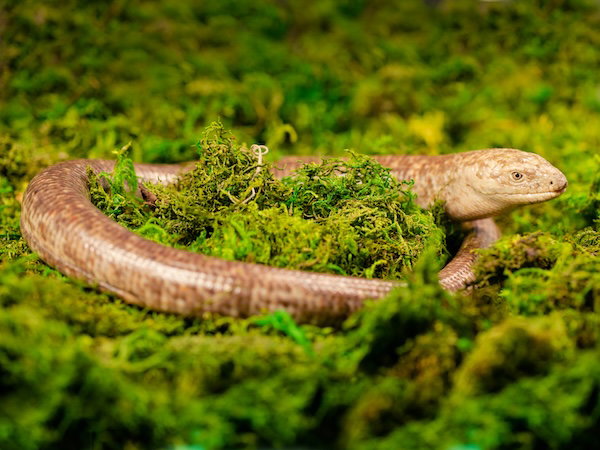
© Answers in Genesis
Day of Creation: six
Biblical Kind: Anguid (glass/alligator lizard)
Status: least concern
Threats: habitat loss, confusion with snakes, pet trade
Length: 2.5–4 feet
Weight: up to 1.5 pounds
Habitat: scrubs, grasslands, and forests in eastern Europe, the Middle East, and central Asia
Lifespan: 15–30 years in the wild; up to 50 years under human care
Diet: worms, snails, slugs, insects, small vertebrates, eggs, carrion
Reproduction: females lay 6–12 eggs that hatch after a 45–60-day incubation
Starring Role: limits the number of snails and slugs in an area, cleans up carrion, helps aerate the soil by digging
These lizards are unique in that they contain osteoderms under their scales, which gives them an armored appearance. Defense/attack structures (DAS) were not a part of God’s original, perfect world (Genesis 1:31). When God created the world, everything was perfect (Genesis 1). There was no suffering, sickness, carnivory, pain, or death. When man sinned against God (Genesis 3), the world was cursed by God. The need for DAS in animals arose once carnivory and the other results of sin entered the world.
Fun Facts:
- Sheltopusiks are also called European glass lizards, Pallas’s glass lizards, or giant glass lizards.
- They are one of the largest legless lizards in the world.
- They belong to the Anguid (glass/alligator lizard) created kind, which includes over 70 species.
- Although they’re known as legless lizards, they do have reduced rear legs which are sometimes visible.
- They can be distinguished from snakes by their ears, eyelids, ventral scales, and movement, which is much stiffer than that of a snake.
- They have the ability to drop and regenerate their tails, but they do not do this often, preferring to slither away, musk, or bite at threats with their powerful jaws.
- Sheltopusiks are solitary animals and can be seen emerging in wet weather to feed on snails and slugs.
- They spend much time underground but are also adept climbers and swimmers.
Tarantula
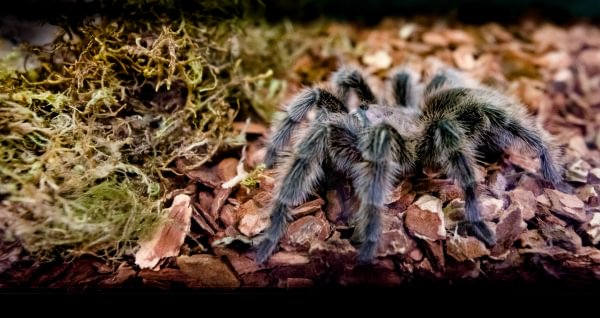
© Answers in Genesis
Day of Creation: six
Biblical Kind: Theraphosid
Length: <1 inch–12 inches, depending on the species
Weight: negligible–3.5 ounces, depending on the species
Habitat: every continent except Antarctica
Lifespan: 15–20 years (females); 3–7 years (males)
Diet: invertebrates (larger species can also consume small vertebrates)
Reproduction: females lay hundreds of eggs into a silken cocoon, which they protect for six to nine weeks until the spiderlings hatch
All animals (including tarantulas) and people were originally strictly vegetarian (Genesis 1:29–30). Animals did not begin eating each other until man sinned and brought the curse upon the world (Genesis 3). One day, creation will be healed and restored to its perfect condition, and the curse will be removed (Isaiah 11:6–8).
Fun Facts:
- They are arachnids and belong to the Theraphosid kind, which is comprised of about 900 species of tarantulas.
- They all have large, hairy bodies covered in a solid exoskeleton. Their bodies have two parts: the cephalothorax and the abdomen. They all have eight legs, large chelicerae (mouth parts), venom glands, and fangs.
- There are New World and Old World species of tarantula. New World species have urticating hairs that are used as a defense mechanism. The spiders will kick them off toward the faces of their predators, and they cause mild to serious skin and eye irritation.
- All tarantulas must molt (shed their exoskeletons) many times while growing. They can also molt to replace lost legs or urticating hairs.
- Some tarantula species are quite docile, while others are very aggressive.
- Despite having eight eyes, they do not have good eyesight and rely more on feeling vibrations with their hairs for navigation. When threatened, they will rear up on their hind legs and expose their fangs.
Tomato Frog (Dyscophus antongilii)
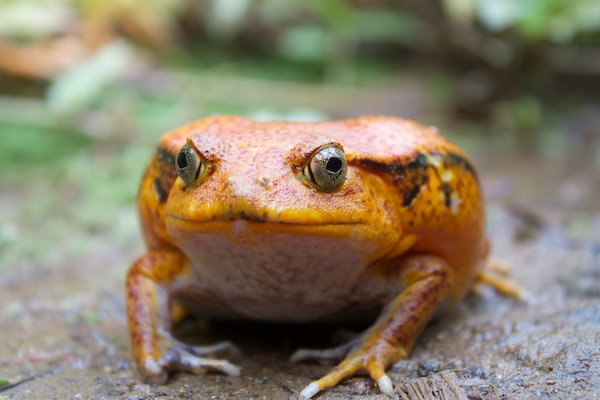
Brian Gratwicke from DC, USA, CC BY 2.0, via Wikimedia Commons
Day of Creation: six
Biblical Kind: narrow mouthed frog
Status: near threatened
Threats: pollution, pet trade
Length: 2–4 inches
Weight: <1 ounce
Habitat: Rainforest and wooded coastal areas of Madagascar (particularly the northeast)
Lifespan: 6–10 years
Reproduction: females lay thousands of eggs in shallow pools of fresh water; tadpoles hatch after 36–48 hours; tadpoles complete metamorphosis into juvenile froglets within 45–60 days
Diet: small invertebrates, arthropods
Starring Role: indicator species
Tomato frogs are an indicator species, meaning their presence indicates the habitat is healthy. If frogs disappear, something is wrong. In our fallen world (Genesis 3), we deal with the effects of sin and the curse, which includes the misuse of creation. As good stewards, we are commanded to care for creation biblically, using resources wisely and not abusing what God has entrusted us with (Genesis 1).
Fun Facts:
- The bright red color of tomato frogs warns predators that these frogs are poisonous. Their skin makes a white, sticky goo that can cause skin irritation in people.
- Tomato frogs are members of the narrow mouth frog kind. This kind consists of over 500 species found throughout the world (except for Antarctica).
- This species of frog inhabits a variety of habitats throughout its range. These areas include both rainforest and wooded coastal areas, wet and dry underbrush, and urban areas of varying levels of disturbance as long as there is somewhere to burrow. Eggs are laid in slow-moving or stagnant waters found in a variety of areas, from natural wetlands to urbanized drainage ditches and pools around houses and villages.
- They are listed by the IUCN as a near-threatened species. Several species in the genus Dyscophus, including D. antongilii, are listed in CITES Appendix II, meaning that exporters are supposed to have a permit from their government. There are calls for authorities in their home range in Madagascar to begin conservation efforts (mostly in terms of preventing habitat degradation) and to clean up pollution as a broader effort to protect all amphibian species in Madagascar.
Western Fox Snake (Pantherophis ramspotti)
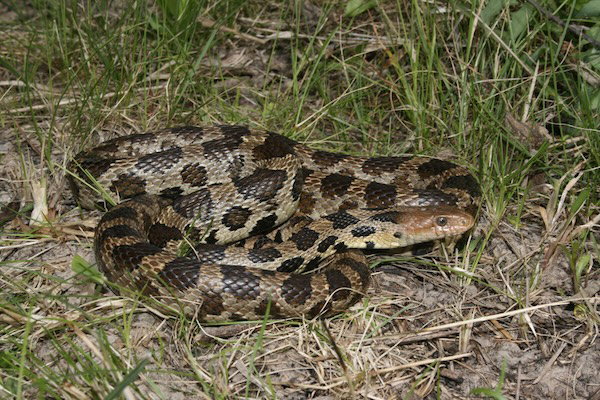
Don F Becker, CC BY-SA 3.0, via Wikimedia Commons
Day of Creation: six
Biblical Kind: kingsnake
Status: least concern
Threats: mistaken identity
Length: 3–6 feet
Weight: 1–2 pounds
Habitat: forests, shrublands, grasslands, and wetlands of the upper Midwestern US, west of the Mississippi River
Lifespan: 20 years
Reproduction: Females lay 7–29 eggs that hatch after a 60-day incubation
Diet: other snakes, rodents, eggs
Starring Role: pest control
These are bold snakes that, if confronted, will mimic rattlesnakes by “rattling” their tails and curling into an S position. They may also release a musky odor as a deterrent. Defense/attack structures (DAS) were not part of God’s original, flawless world (Genesis 1:31). When God created the universe, everything was perfect (Genesis 1), with no suffering, sickness, carnivory, pain, or death. However, when man sinned (Genesis 3), the world was cursed. The need for DAS in animals arose once carnivory and the other consequences of sin entered the world. One day, creation will be healed and restored to its unblemished condition, and the curse will be removed from the universe (Isaiah 11:6–8).
Fun Facts:
- Western fox snakes are a species of rat snake belonging to the kingsnake created kind. There are approximately 720 species within the kingsnake kind, including kingsnakes, rat snakes, milk snakes, vine snakes, and indigo snakes.
- Fox snakes are not venomous. Instead, they constrict their prey by wrapping around their victims and squeezing them until blood flow is cut off from their hearts and brains.
- Eastern fox snakes reside east of the Mississippi River, while western fox snakes reside west of the Mississippi.
- Western fox snakes are diurnal hunters for most of the year but will switch to nocturnal hunting during the hot summers.
- Their patterning gives them excellent camouflage from predators and prey.
Creature Feature House FAQs
When is the building open?
The building opens with the rest of the attraction and closes with the attraction.
Is there a cost to enter the building?
No, entry is included with museum admission.
Can I touch the animals in the building?
There is a biofact/animal interaction area in the building, where animals and biofacts may be available for interactions during the day (staff permitting).
Can I bring my stroller/wheelchair/ECV inside?
Due to the size and flow of the building, we ask that guests leave strollers and ECVs outside in a provided parking area. Wheelchairs are welcome inside.