The True Account of Easter
by Creation Museum on March 26, 2026As we approach the Easter season, we invite you to reflect on Jesus’ final days, death, and resurrection.
The Triumphal Entry
Not long after raising Lazarus from the dead, Jesus entered Jerusalem riding on a colt, the foal of a donkey, as foretold by the prophet Zechariah (Zechariah 9:9). Many people spread their clothes and palm branches on the road, a gesture reminiscent of a king’s coronation parade. The people hailed him as the long-awaited Messiah, praising him with language from the Psalms (Mark 11:1–11, John 12:12–19).
Cleansing the Temple
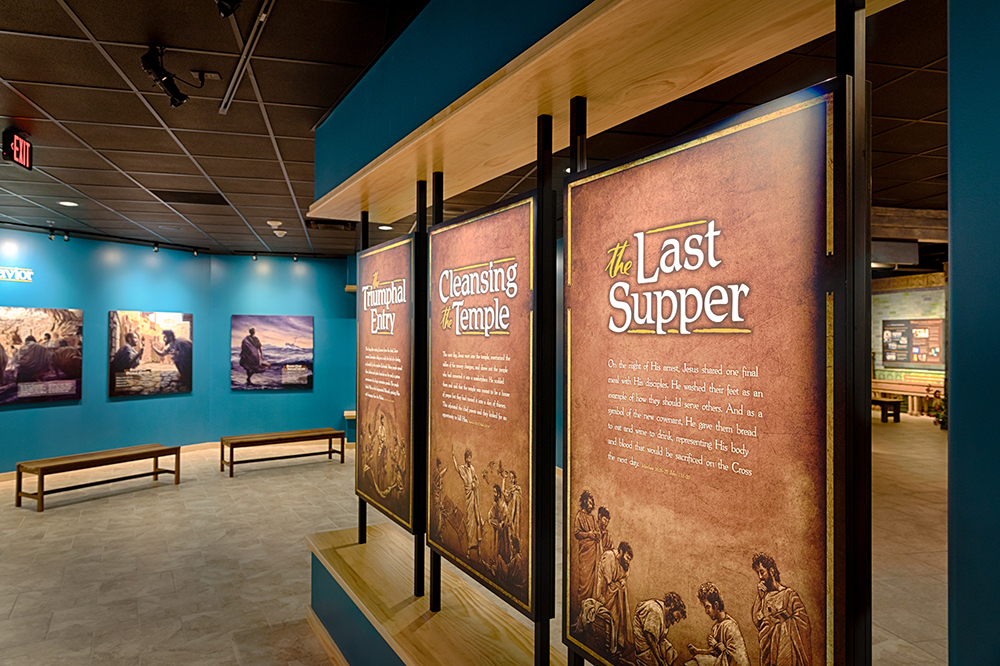
The next day, Jesus went into the temple, overturned the tables of the money changers, and drove out the people who had converted it into a marketplace. He scolded them and said that the temple was meant to be a house of prayer, but they had turned it into a den of thieves. This infuriated the chief priests, and they looked for an opportunity to kill him (Matthew 21:12–17, Mark 11:12–19).
The Last Supper
On the night of his arrest, Jesus shared one final meal with his disciples. He washed their feet as an example of how they should serve others. And, as a symbol of the new covenant, he gave them bread to eat and wine to drink, representing his body and blood that would be sacrificed on the cross the next day (Matthew 26:26–29, John 13:1–20).
The Crucifixion
After being betrayed by one of his disciples, Jesus was arrested, led through multiple trials, beaten, mocked, and accused of blasphemy by the Jewish leaders. Although the Roman governor, Pilate, found no fault in him, he condemned Jesus to be flogged and then crucified outside Jerusalem on a hill called Calvary—the Place of the Skull (John 18–19).
“It Is Finished”
Just before he died, Jesus said, “It is finished.” In the original language, this referred to a debt that had been paid in full. In other words, his sacrificial death paid the full price of our sin debt (John 19:30).
Followers of other religions generally believe that they can earn eternal life by performing good deeds. But if this were true, then the Son of God would not have needed to die on the cross, and Jesus would have been mistaken when he said that no one could come to God except through him (John 14:6).
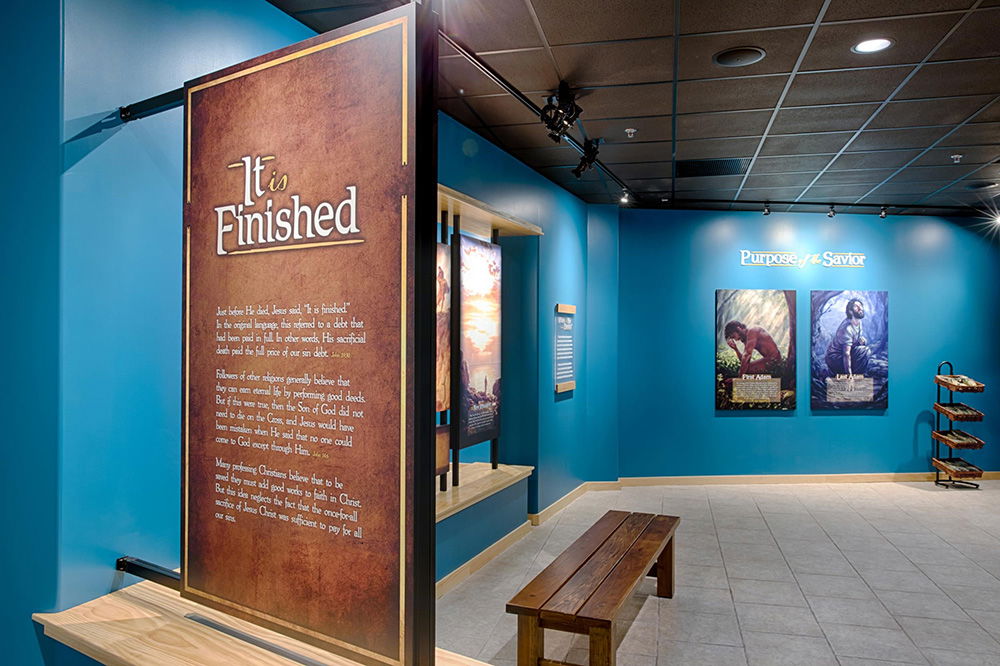
Many professing Christians believe that to be saved, they must add good works to faith in Christ. But this idea neglects the fact that the once-for-all sacrifice of Jesus Christ was sufficient to pay for all our sins.
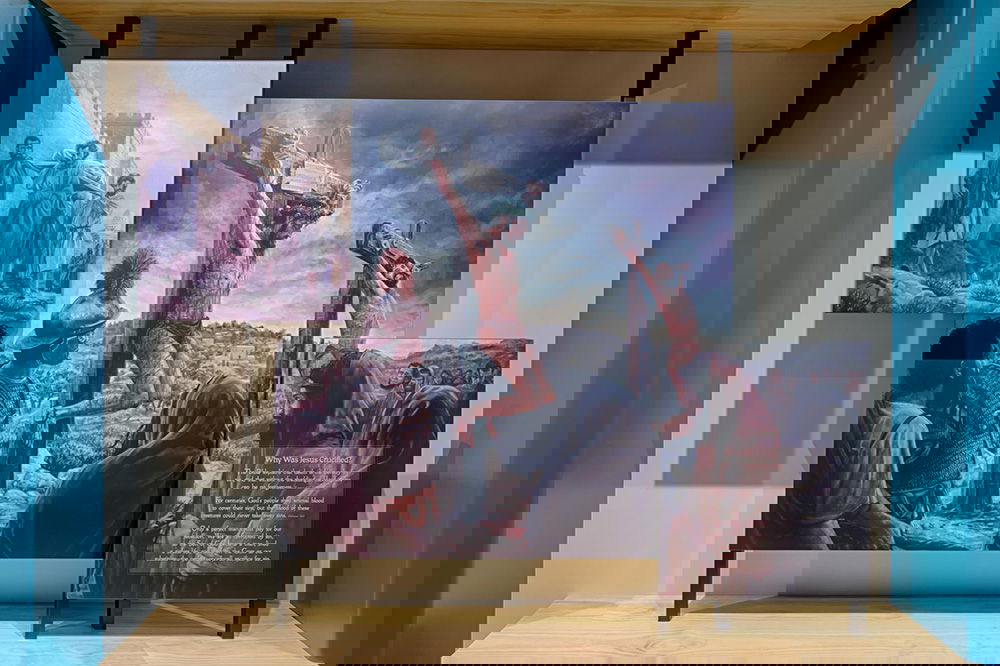
Why Was Jesus Crucified?
The Bible explains that death is the penalty for sin, and that without the shedding of blood, there can be no forgiveness (Romans 6:23, Hebrews 9:22).
For centuries, God’s people shed animal blood to cover their sins, but the blood of these creatures could never take away sins (Hebrews 10:4).

Only a perfect man could pay for our rebellion. We are all corrupted by sin, so the Son of God became a man, lived a sinless life, and died on the cross as our substitute—the perfect, once-for-all sacrifice for sin.
He Is Risen
Jesus repeatedly told his disciples that he would die and rise from the dead three days later. In fact, his resurrection was the one sign he said he would give to “an evil and adulterous generation” (Matthew 12:39–40).
On the third day, several women set out for the tomb while it was still dark. There was an earthquake; an angel rolled away the stone and terrified the guards. He told the women, “Do not be afraid, for I know that you seek Jesus who was crucified. He is not here, for he is risen, as he said. Come, see the place where he lay.” (Matthew 28:1–6).
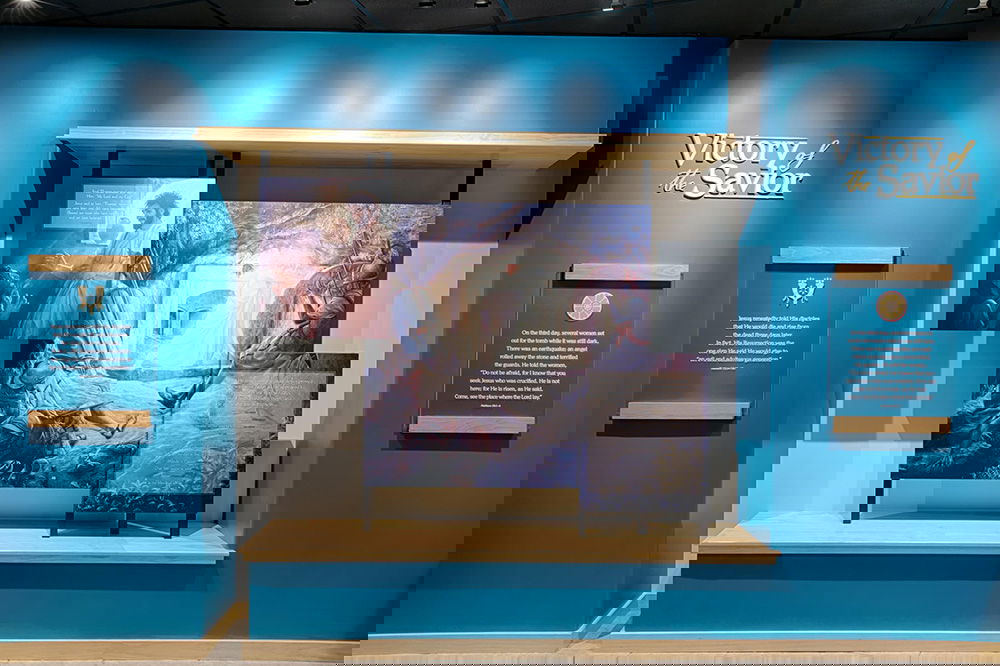
The resurrection of Jesus Christ demonstrated much more than just his power over the grave. It also gives us confidence in our hope of eternal life.
This amazing miracle demonstrates that God fully endorsed the work and claims of Jesus. This is particularly significant in regard to Christ’s claims of divinity. If Jesus was not God in the flesh, as he claimed, then why would God respond by fulfilling a prediction that confirms the truth of Christ’s claims? Therefore, the resurrection of Jesus Christ proves both his divinity and that he had God’s absolute approval.
The resurrection also grants believers in Christ a preview of the future in that they will also be raised in glorified bodies. Our corruptible and mortal bodies will become incorruptible and immortal (1 Corinthians 15:53).
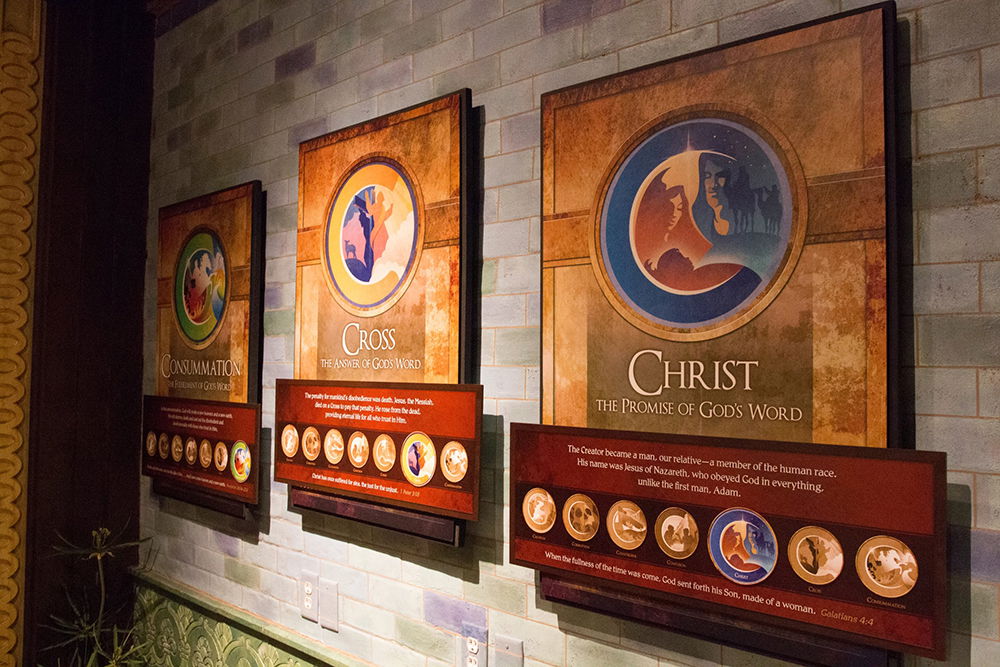
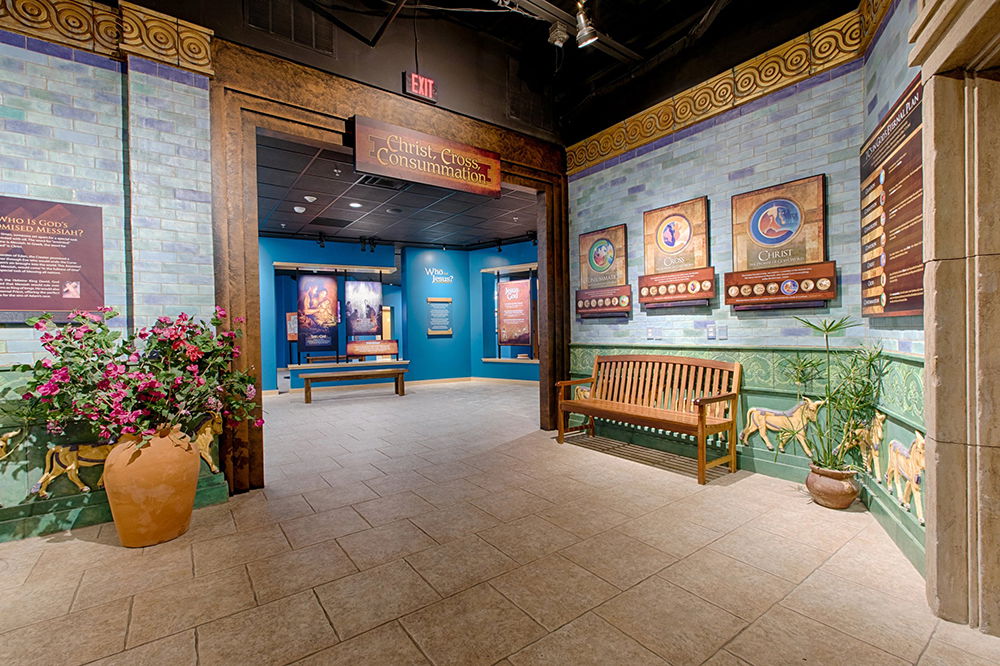
Start planning your visit to the Creation Museum, and be sure to walk through our Christ, Cross, Consummation exhibit on the lower level of the museum to equip your family with answers about Jesus’ life and death this Easter season.
Prepare to Believe




Creation Museum Location
place
2800 Bullittsburg Church Rd.
Petersburg, KY 41080 (see directions)
Seven miles west of the Cincinnati Airport
An attraction of Answers in Genesis
2026 Answers in Genesis. All rights reserved. | Privacy Policy | Content Policy | Attraction Rules